Growing Discontent in Pakistan-Occupied Kashmir: Democratic Representation and Resource Rights
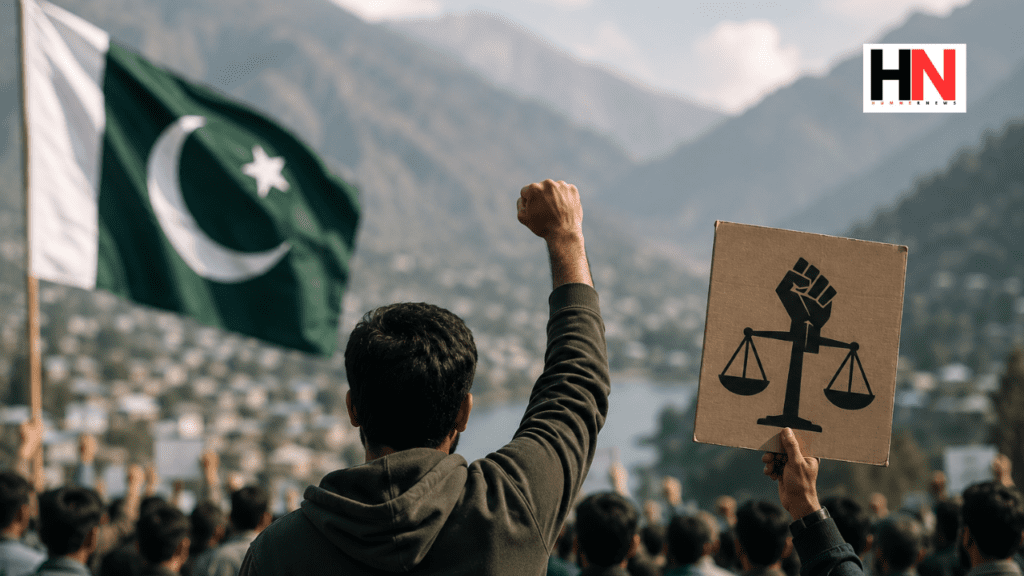
Growing Discontent in Pakistan-Occupied Kashmir: Democratic Representation, Resource Rights, and Pakistan’s Policy Failures
By Reyasat Ali Sameer
Senior Correspondent
The issue of Jammu and Kashmir in South Asian politics is not merely a territorial dispute; it is also deeply connected with democratic rights, political representation, and the dignity of citizens. In recent years, the growing public unrest in Pakistan-Occupied Kashmir (PoK) and Gilgit-Baltistan has challenged Pakistan’s longstanding claim that the people of these regions are satisfied and enjoy full political rights.
The widespread protests witnessed in Pakistan-Occupied Kashmir in June 2026 have once again raised a fundamental question: Is the population of the region, which Pakistan officially refers to as “Azad Jammu and Kashmir,” genuinely politically free? According to various reports, the protesters’ primary demands included reductions in electricity tariffs, subsidies on wheat, greater control over local resources, and a review of the arrangement concerning twelve reserved seats in the legislative assembly. The deaths of several individuals and the arrest of hundreds of protesters during these demonstrations further intensified concerns about the situation.
Crisis of Representation
The Legi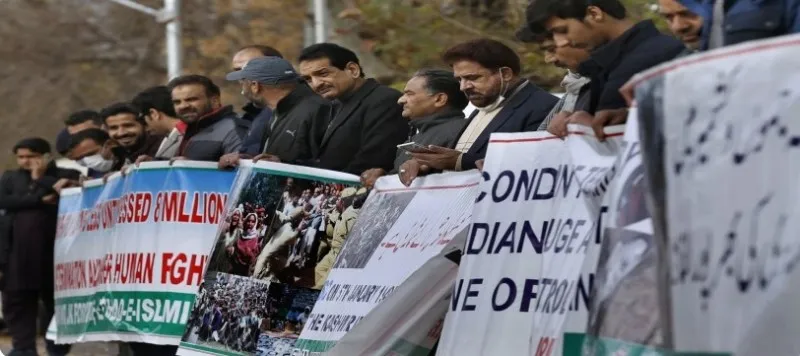 slative Assembly of Pakistan-Occupied Kashmir consists of 53 seats, including 12 seats reserved for individuals residing in various provinces of Pakistan. Local political groups and civil society organizations have argued that this arrangement enables Islamabad to maintain significant influence over the region’s political affairs. Many analysts believe that such a system adversely affects the genuine political representation of the local population.
A fundamental principle of democracy is that the people being governed should have a meaningful right to choose their representatives. When a political structure allows external influences to outweigh local public opinion, questions regarding democratic legitimacy naturally arise.
Roots of Economic Discontent
The movements in PoK are not solely political in nature. Chronic issues such as rising electricity costs, inflation, unemployment, and inadequate public services have long fueled public dissatisfaction. In particular, concerns regarding the distribution and pricing of electricity generated by the Mangla Dam have remained a major source of resentment.
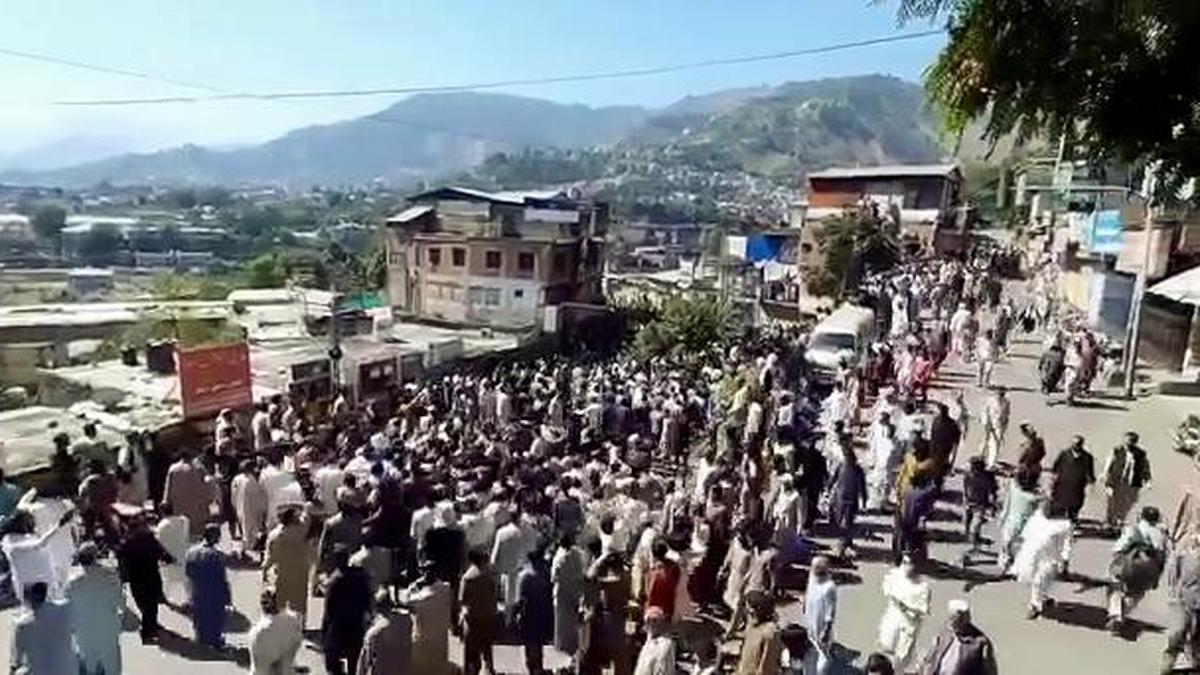
Protesters have repeatedly questioned why communities whose resources contribute to energy production do not receive a fair share of its benefits.
Large-scale protests over electricity and flour prices were also witnessed in 2024 and 2025, prompting the Pakistani government to announce economic relief packages. However, subsequent developments suggest that many of the promised measures remained unfulfilled, leading to the resurgence of public anger.
The Gap Between “Freedom” and Reality
Pakistan-Occupied Kashmir is officially described as “Azad” (Free), yet numerous studies and analyses indicate that Islamabad continues to exercise considerable influence over key administrative and political decisions. Although elected institutions exist at the local level, the federal establishment’s role remains visible in many major policy matters. Consequently, various civic groups and political organizations in the region have consistently demanded greater autonomy and stronger local accountability.
READ MORE :
SIMS Annual Day Fest 2026 Celebrated with Grandeur at Sri Ram Centre, New Delhi
Three-Day Theatre Festival at Triveni Kala Sangam Enthralls Audience with Powerful Performances
India’s Constitutional Position
India’s official and longstanding position has been that the princely state of Jammu and Kashmir legally acceded to India. India’s claim is not solely based on territorial sovereignty but is also rooted in the principles of constitutional governance, democratic institutions, and the protection of citizens’ rights.
It is worth noting that the success of any democratic system is measured by the extent to which its citizens enjoy political rights, access to justice, and economic opportunities. If people repeatedly take to the streets demanding representation, resources, and fundamental rights, it raises serious questions about the effectiveness of the governing framework.
Conclusion
The recent developments in Pakistan-Occupied Kashmir are not merely local protests; they highlight deeper issues related to governance, political representation, and the equitable distribution of resources. Political grievances, economic frustrations, and administrative centralization have combined to create a crisis that cannot be resolved through security measures alone.
A sustainable solution can emerge only when the local population is granted meaningful political participation, fair access to resources, and the freedom to express democratic aspirations. The path toward stability and peace in South Asia also depends on a commitment to these principles—listening to the voices of the people rather than suppressing them.