The Waqf Properties and Religious Integrity Must Be Restored: Advocate Irshad Ahmad
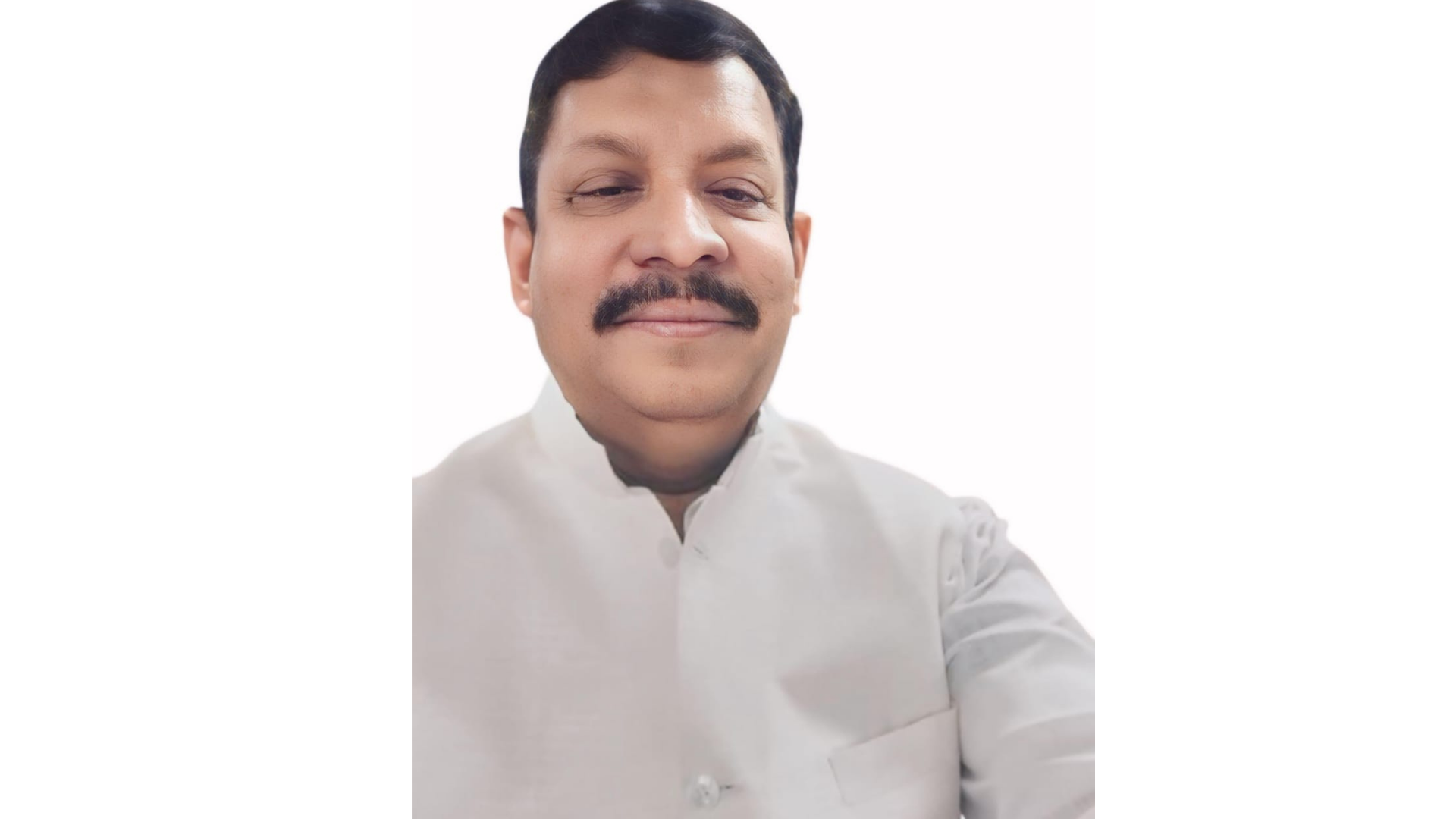
New Delhi: Advocate Irshad Ahmad, in a press briefing today, emphasized the urgent need to restore the sanctity of Waqf properties and protect religious integrity amid growing apprehension within the community.
Although the case is currently pending before the Hon’ble Supreme Court of India, Advocate Irshad Ahmad stated that the fears and concerns of the Muslim community have only increased. As Senior Advocate Kapil Sibal rightly argued before the Supreme Court:
“The Waqf (Amendment) Act, 2025, has been framed to protect Waqfs, but in reality, it is designed to capture Waqf through a non-judicial, executive process. Waqf is an endowment to Allah (God) and, pursuant to that, the property cannot be transferred — once a Waqf, always a Waqf.”
Advocate Irshad Ahmad pointed out that the Waqf (Amendment) Act, 2025, became law after receiving the President’s assent on April 5, 2025. The Bill had earlier been passed by both the Lok Sabha and Rajya Sabha. He stated that while almost every provision of this Amendment is unacceptable, three particular issues completely undermine the essence of the Waqf Act and must be removed:
Power to Denotify Waqf Properties:
The government is granted the authority to declare previously recognized Waqf properties — whether established by court order, through public usage, or by deed — as no longer Waqf.
Composition of Waqf Boards:
The provisions relating to the composition of State Waqf Boards and the Central Waqf Council are contested. The petitioners argue that only Muslims (other than ex‑officio members) should be part of these bodies to maintain the religious character and integrity of Waqf institutions.
Inquiry by District Collector:
The Amendment empowers District Collectors to investigate whether a Waqf property is, in fact, government land. If the Collector concludes that the property belongs to the government, it will no longer be treated as a Waqf.
“Once a Waqf is rendered void, the right to pray and practice one’s religion is directly threatened. Where, then, is the right to freely practice one’s faith?” said Advocate Irshad Ahmad.
He urged that these three provisions must be revisited and removed to preserve the sanctity of Waqf properties, protect religious heritage, and ensure that the fundamental right to practice religion is not violated