Nehru: The Architect of Modern India and the Eternal Voice of Democracy
Nehru: The Architect of Modern India and the Eternal Voice of Democracy
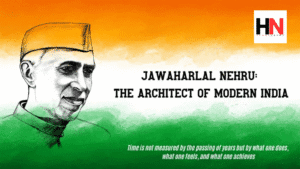
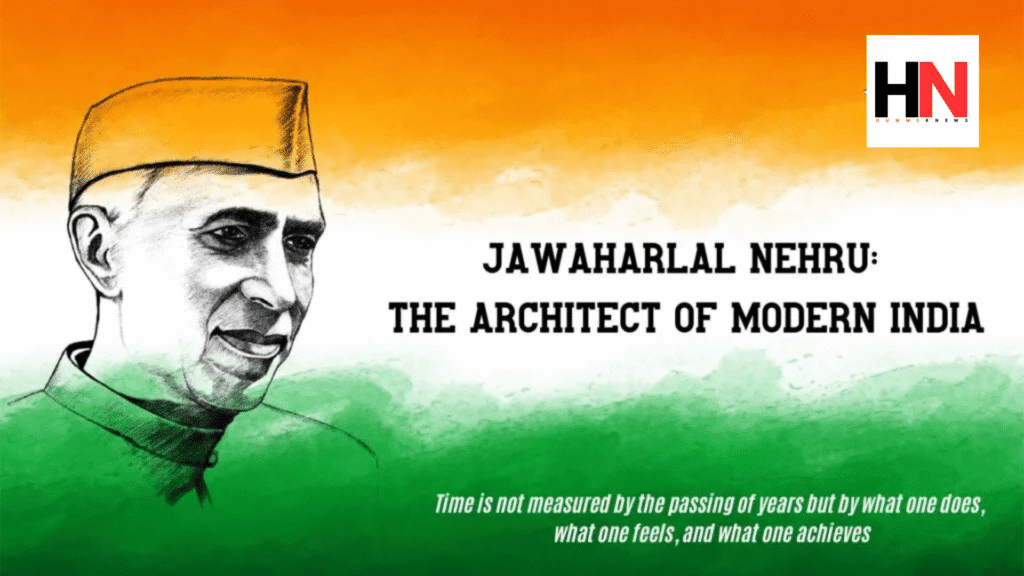
The legacy of Pandit Jawaharlal Nehru, India’s first Prime Minister, is not merely etched in the stones of the dams and laboratories he built, but in the very spirit of Indian democracy. Through the memoirs of his closest aides and global icons, we find a man who was a rare blend of tireless energy, aristocratic grace, and a deeply rooted socialist soul.

Nehru’s commitment to a nascent India was legendary. His first Private Secretary, H.V.R. Iengar, recalled that Nehru was a powerhouse of vitality, often working 16 to 17 hours a day.
Shashi Tharoor, in his book Nehru: The Invention of India, Tharoor notes that Nehru’s work ethic was so immersive that he frequently performed the tasks of government officials himself to ensure the wheels of the new nation turned without friction. Yet, this “Architect of India” remained grounded; Former Foreign Secretary Y.V. Gundevia writes in Outside the Archives that Nehru arrived at his office in a modest, indigenous Ambassador car, its bonnet adorned only by the tricolor.
Of Sherry and Silk: The Global Statesman
Nehru’s charm captivated the world’s most brilliant minds. Charlie Chaplin, in his autobiography, vividly describes meeting Nehru in Switzerland. After a profound conversation, Chaplin invited him to dinner. In a move that stunned the actor, the Prime Minister of India hopped into Chaplin’s car, leaving his official vehicle to follow him from behind.
Former Foreign Secretary Jagat S. Mehta recalls a witty exchange from that evening. Chaplin remarked, “I like everything about you, except that you don’t drink.” Nehru laughed and replied, “If you find that against me, I shall have a glass of sherry.”
READ MORE :
Congress slams BJP over mistreatment of Shankaracharya at Magh Mela
Vineeta Yadav Exposes Hidden Reality of Rural India in Her Book
Senco Gold & Diamonds brings “Senco Di Wedding – Before The Vows” to Delhi
Gorkha Community to Host ‘Ek Shaam Swatantrata Senani Ke Naam’ in Delhi, Honouring Forgotten Heroes
The Humanist in the Prime Minister’s Office
Nehru’s greatness lay in his “uncommon” common touch. Whether it was a global leader or a junior staffer, his empathy was boundless:
The Overcoat of Friendship: When Ghana’s leader Kwame Nkrumah visited in winter, Nehru arrived at the station to see him off. Finding Nkrumah underdressed for the cold, Nehru handed him his own oversized overcoat. Later, Nkrumah discovered that Nehru had thoughtfully tucked a warm muffler in one pocket and gloves in the other.
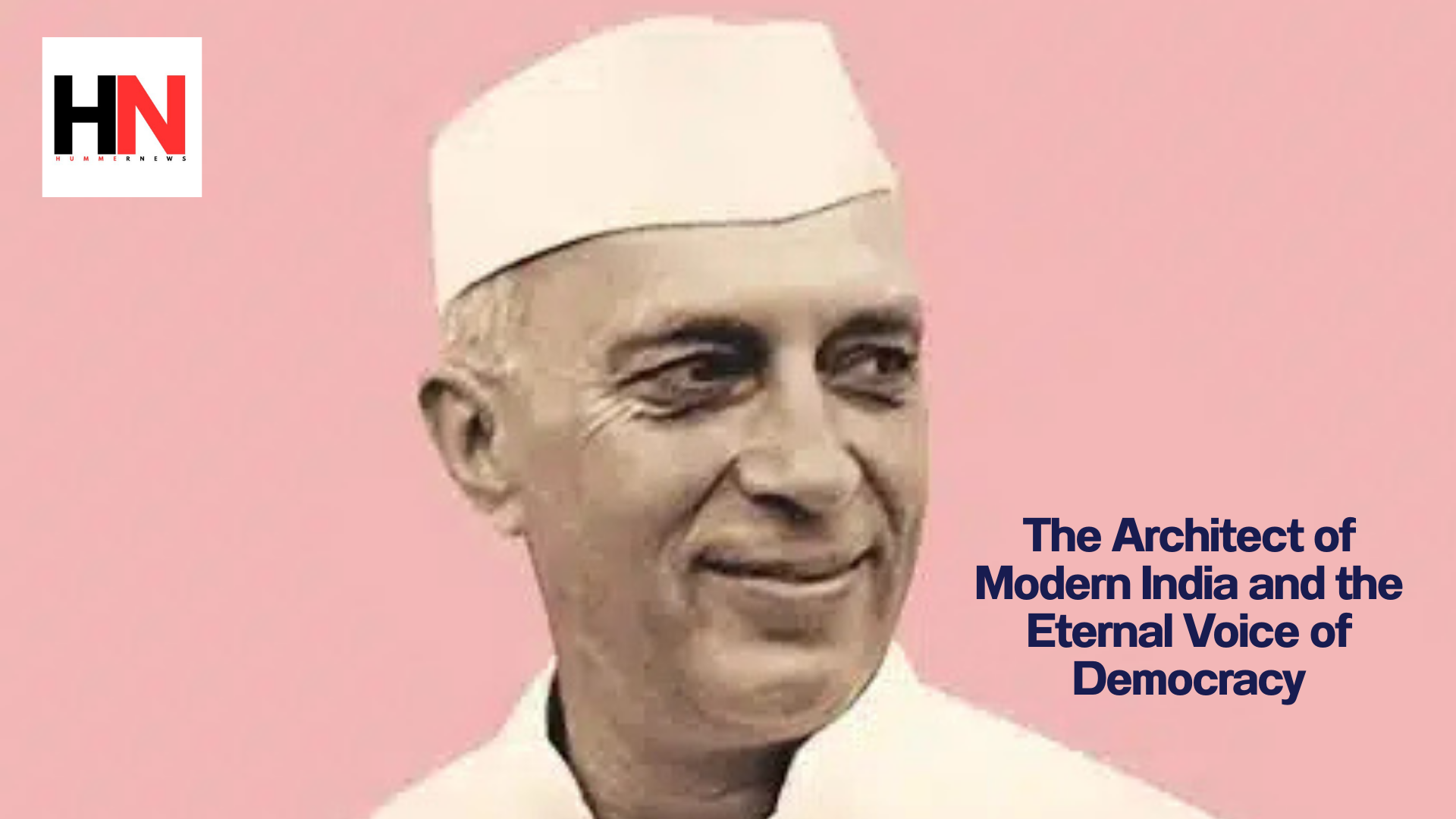
The Bedding of a Comrade: During the freedom struggle, Nehru’s companion Syed Mahmud struggled with his luggage. For years, whenever they traveled together, it was the future Prime Minister who would roll and tie Mahmud’s bedding.
A Shield Against Hate: When the Intelligence Bureau suggested firing his Muslim staff due to post-partition security fears, Nehru dismissed the proposal with contempt. To him, loyalty was earned through humanity, not religion.
His tailor, Mohammad Umar, perhaps captured it best. When Umar called him a “King” (Badshah), Nehru demurred, saying Kings have their heads cut off. Umar replied, “Those Kings sit on thrones, but you rule over the hearts of the people.”
The Visionary, Integrity and Institution Building:
Nehru’s vision was both domestic and global. He steered India through the Five-Year Plans, focusing first on agriculture (1951-56) and then on heavy industry.
When separatist voices rose in the South demanding ‘Dravida Nadu,’ Nehru didn’t just suppress the movement; he strengthened the Union. He introduced the 16th Constitutional Amendment in 1963, ensuring that every public servant swore to uphold the “sovereignty and integrity of India.”
On the global stage, his Panchsheel principles and the Non-Aligned Movement gave the Third World a voice. His diplomatic intervention during the Korean War (1950-53) and the deployment of the 60th Parachute Field Ambulance (which treated 200,000 people) remains a gold standard in Indian peacekeeping.
The “Chanakya” Within:
Perhaps the most remarkable trait of Nehru was his self-awareness. In 1937, writing under the pseudonym ‘Chanakya’, he published an article titled “Rashtrapati Jawaharlal”, warning the public that Nehru had all the qualities of a dictator and must be kept in check by the people. He lived by this democratic creed. He welcomed fierce criticism from opponents like Syama Prasad Mukherjee and Acharya Kripalani, often stating that a parliament without a strong opposition was incomplete.
A Legacy of Frugality
Despite his “King of Hearts” status, Nehru was a man of strict fiscal discipline. He and his cabinet voluntarily slashed their salaries from ₹3,000 to ₹2,000. K.F. Rustamji once entered Nehru’s room to find his assistant mending his torn socks. Whether it was switching off lights in a Riyadh hotel or closing a running tap on the roadside, Nehru treated the nation’s resources as sacred.
Jawaharlal Nehru remains the eternal voice of Indian democracy – a man who, in the words of his tailor, refused the throne to live forever in the hearts of people of India.