Lessons from The Story of My Experiments with Truth : Conversations with Bapu
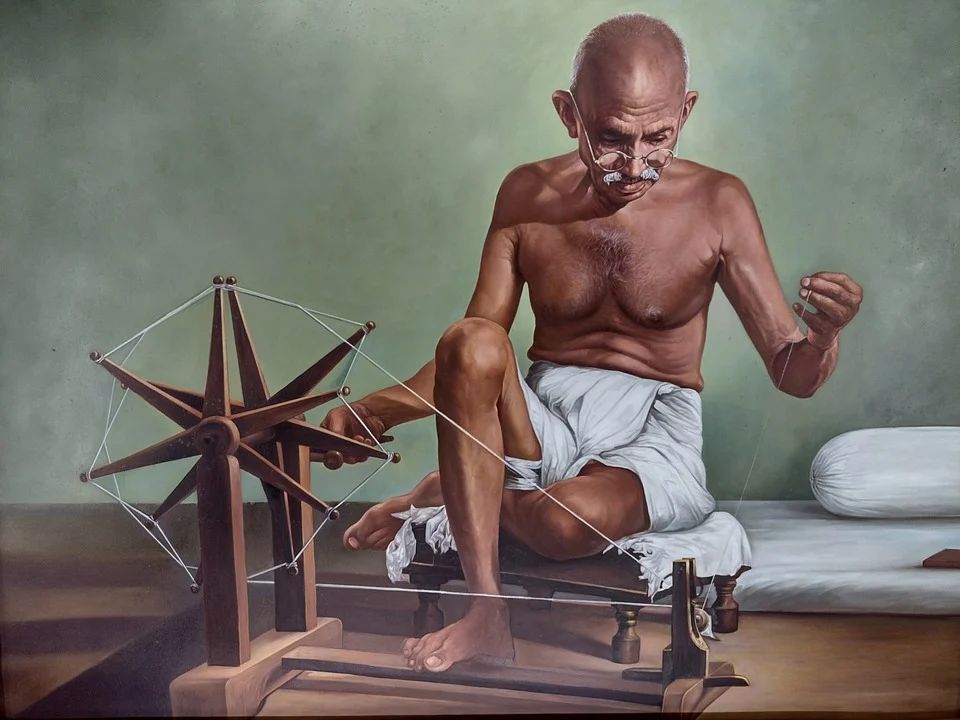
Lessons from The Story of My Experiments with Truth : Conversations with Bapu
The habit of never telling a lie and learning the essence of truthfulness…
At a time when many people including children pick up the habit of telling lies even for some basic issues, it is important to learn from Bapu on the significance of avoiding lies.
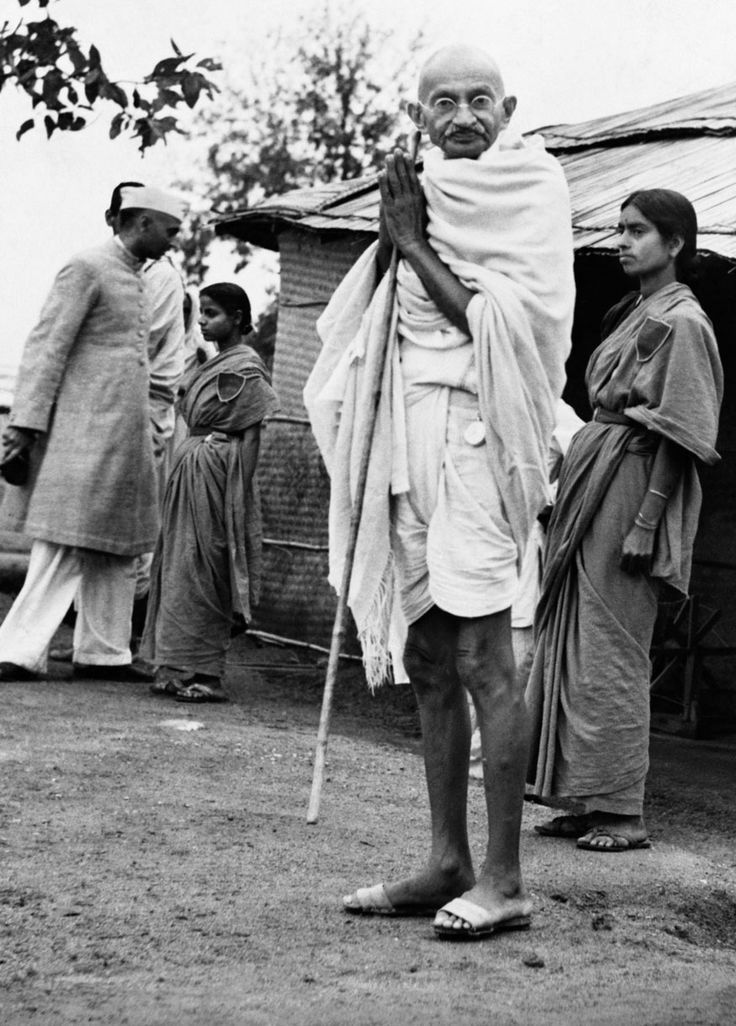
We have been talking to a number of young people in this context and majority of them candidly agreed that either consciously or unconsciously they do indulge in telling lies; in fact they felt it was nothing abnormal as lies often helped get out of difficult situations. It is a challenge to stick to truthfulness and abstain from lies in every situation. It is tough, observed majority of those with whom we spoke. It is where Bapu comes in with his life lessons from his Autobiography. (We are now celebrating the 100 years of Mahatma Gandhi’s Autobiography)
Vedabhyas: Bapu, a very large number of young people we spoke to shared their difficulties in abstaining from lies. While it compromises their ethical and moral character, they talked about difficulties. Some suggested that there situations when they escaped being punished by telling blatant lies; some talked about the loss they would have incurred had they being truthful; others talked about the gains they made due to their lies.
Munazah: Yes Bapu, don’t you think there is a constant conflict between truthfulness and lies. There are times as many of these young people said they would land in problems by being truthful. It is a different world we are living these days.
Bapu: You are wrong children. Avoiding lies has to be part of our habit right from childhood. In chapter 2 of my Autobiography, I wrote, “I do not remember having ever told a lie, during this short period, either to my teachers or to my school-mates.”
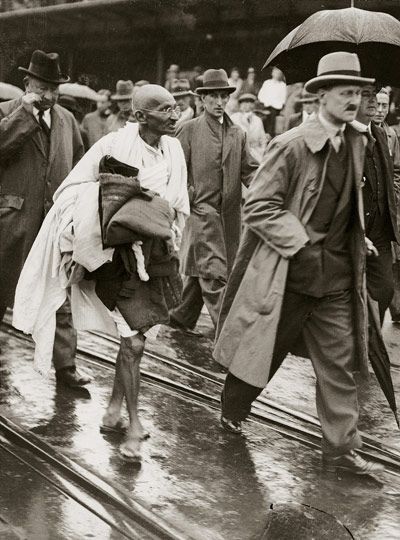
Munazah: I think Bapu it is important to understand the importance of truthfulness right from our childhood, it should be a value ingrained in us that would take us to higher plane of humanity. Not telling lies has to emanate from our conscience. Conscience operates as an internal moral court, more compelling than external authority. Ethical behavior, to my mind is sustained by inner accountability rather than fear of punishment. Also Bapu, we want to learn another important lesson from your Autobiography. You find students falling prey to cheating just to get themselves more marks. It is definitely unethical but unfortunately there is huge number of such cases. Again when students get into the habit of cheating right from young age, it continues even when they grow up.
Bapu: It is very unfortunate, such practices diminishes the moral growth of individuals. In chapter2, I also shared an incident during the first year at the high school, “Mr Giles, the educational Inspector, had come on a visit of inspection. He had set us five words to write as a spelling exercise. One of the words was ‘Kettle’. I had mis-spelt it. The teacher tried to prompt me with the point of his boot, but I would not be prompted. It was beyond me to see that he wanted me to copy the spelling from my neighbour’s slate, for I had thought that the teacher was there to supervise us against copying. The result was that all the boys, except myself, were found to have spelt every word correctly. Only I had been stupid. The teacher tried later to bring this stupidity home to me. But without effect. I never could learn the art of ‘copying’.”
Vedabhyas: Bapu, the teacher prompted you to copy! I sincerely believe that ethical education occurs less through instruction and more through example. Children internalize values by watching how adults live.
Bapu: “Yet the incident did not in the least diminish my respect for my teacher. I was by nature, blind to the faults of elders. Later I came to know of many other failings of this teacher, but my regard for him remained the same. For I had learnt to carry out the orders of elders, not to scan their actions.”
READ MORE :
Congress slams BJP over mistreatment of Shankaracharya at Magh Mela
Vineeta Yadav Exposes Hidden Reality of Rural India in Her Book
Senco Gold & Diamonds brings “Senco Di Wedding – Before The Vows” to Delhi
Munazah: Bapu, I think if we are to copy, it should be some ethical and moral lessons. This should be the path of life.
Bapu: Yes children. Again in the chapter 2, I shared how the play, Shravana Pitribhakt Nataka that showcased Shravana’s devotion to his parents moved me. I wrote, “I read it with intense interest. There came to our place about the same time itinerant showmen. One of the pictures I was shown was of Shravana carrying, by means of slings fitted for his shoulders, his blind parents on a pilgrimage. The book and the picture left an indelible impression on my mind. ‘Here is an example for you to copy,’ I said to myself. The agonized lament of the parents over Shravana’s death is still fresh in my memory. The melting tune moved me deeply, and I played it on a concertina which my father had purchased for me.”
Vedabhyas: Bapu, in chapter 2 you have also mentioned the impact the play Harishchandra had on you. Indeed, Raja Harishchandra was an epitome of truthfulness, a trait so very difficult to find these days. For simple things, we are ready to abandon the path of truthfulness. We are not ready to suffer even an inch for the sake of truthful conduct. I sincerely feel stories like that of Harishchandra should be shared with children so that they grow ethically and morally. Bapu, I believe that ethical principles like truthfulness gain strength when rooted in our conduct. This is what we learn from the life of Raja Harishchandra.
Bapu: Yes children the life of Harishchandra is a lesson for all of us and what should be our conduct. “This play-Harishchandra- captured my heart. I could never be tired of seeing it. But how often should I be permitted to go? It haunted me and I must have acted Harishchandra to myself times without number. ‘Why should not all be truthful like Harishchandra?’ was the question I asked myself day and night. To follow truth and to go through all the ordeals Harishchandra went through was the one ideal it inspired in me. I literally believed in the story of Harishchandra. The thought of it all often made me weep. My commonsense tells me today that Harishchandra could not have been a historical character. Still both Harishchandra and Shravana are living realities for me, and I am sure I should be moved as before if I were to read those plays again today.”
Conclusion
Before Mahatma Gandhi became a moral leader of the world, he was a child struggling honestly with fear, truth, and conscience. These values of avoiding lies, truthfulness, respect for elders, sincere devotion to our parents that we learn from Bapu reminds us that families, habits, and everyday choices are the true classrooms of ethics. Here are synthesis of some core Gandhian values:
| Ethical Value | Gandhian Understanding |
| Truth | Lived discipline |
| Conscience | Inner authority |
| Humility | Moral openness |
| Nonviolence | Way of life |
| Tolerance | Respect for plurality |
| Self-discipline | Ethical strength |
| Simplicity | Moral clarity |
| Responsibility | Ownership of actions |