Lessons from Mahatma Gandhi’s principles of Self-Purification
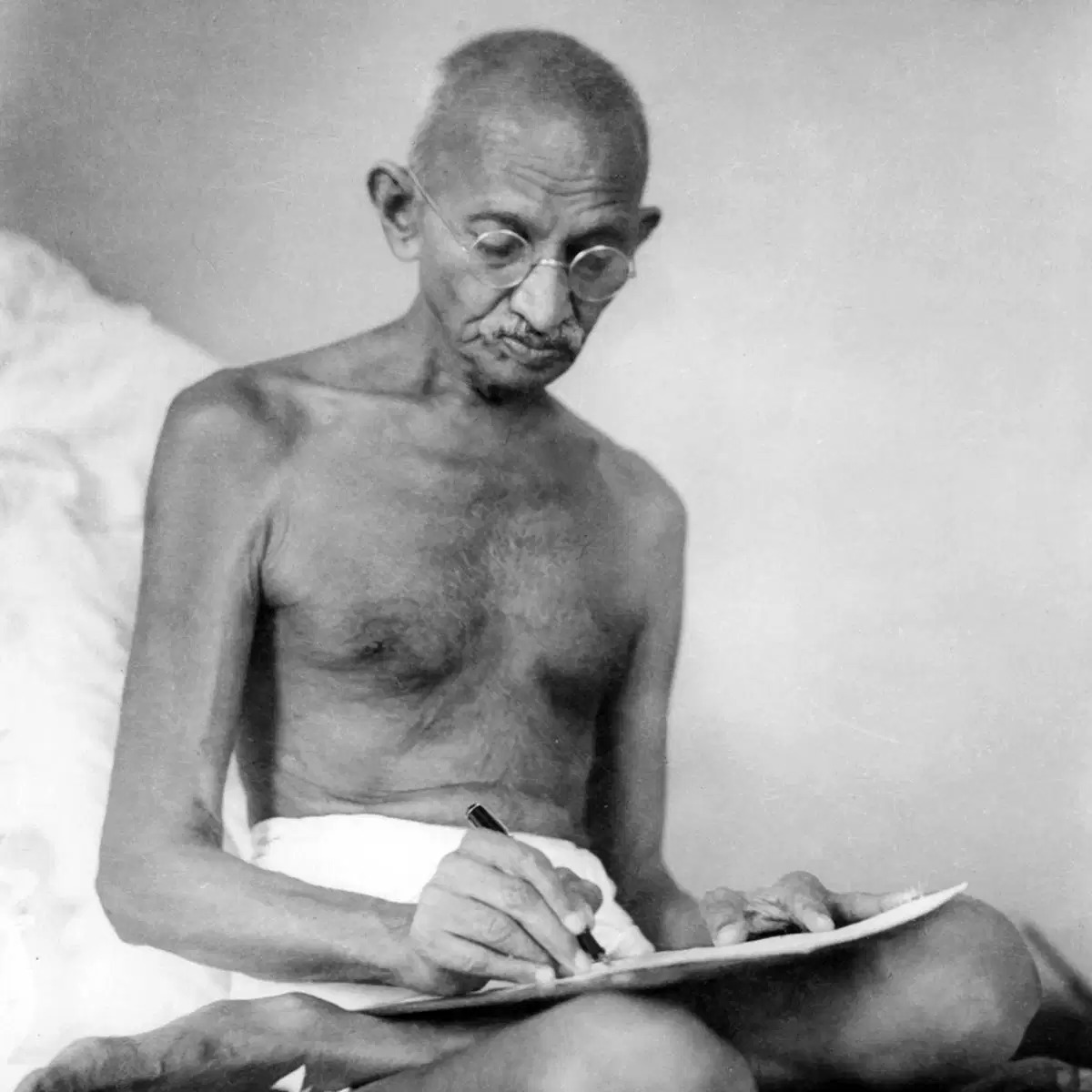
The Path of Inner Cleanliness
Love and Ahimsa are matchless in their effect. But, in their play there is no fuss, show, noise or placards. They presuppose self-confidence which in its turn presupposes self-purification. Men of stainless character and self-purification will easily inspire confidence and automatically purify the atmosphere around them. – Young India, 6-9-’28
As the world will be celebrating the International Day of Nonviolence, the 156th birth anniversary of Mahatma Gandhi on October 2, 2025, the message of the Mahatma to promote the values of love and ahimsa resonates globally in the backdrop of the different conflicts we are witnessing everywhere. At a time when there seems to be erosion of values and ethics in societies, the Mahatma’s stress on the need for inner discipline, having stainless character, and practicing self-purification should be the underlying act to be nurtured at all levels, right from the individual. It is only then that it can contribute towards the ‘purification of the atmosphere’ as Bapu was talking about.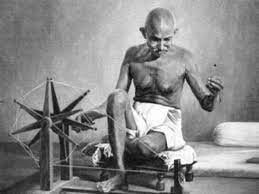
At a time when the whole nation is celebrating ‘swachhata hi seva’, this dimension of inner swachchta or inner cleanliness holds special significance in light of the impurities that we find in our lives- whether at the inner level or in the outer level. It is in this regard that Mahatma Gandhi’s prescription of self-purification assumes centrality. If we delve deeply, we will find how Mahatma Gandhi’s principles of self-purification and inner cleanliness are intrinsically rooted in his spiritual and ethical worldview. These principles integrate the physical, moral, and spiritual dimensions of purity. According to the Mahatma, self-purification was not merely a personal endeavour, but it was the foundational architecture of true and holistic transformation of not only the individual but also a harbinger of social change.
The importance which the Mahatma gave to self-purification can be gauged from what he writes in the Autobiography, “Identification with everything that lives is impossible without self-purification; without self-purification the observance of the law of Ahimsa must remain an empty dream; God can never be realized by one who is not pure of heart. Self-purification, therefore, must mean purification in all the walks of life. And purification being highly infectious, purification of oneself necessarily leads to the purification of one’s surroundings.”
Bapu was clear that self-purification meant purification in all walks of life and in every situation. In light of the erosion of ethical and moral values, this dimension of self-purification was important. Self-purification, according to Mahatma Gandhi, means conquering passions and becoming free from hatred, attachment, and repulsion in thought, speech, and action. It requires constant striving for a triple purity that includes mental, verbal, and physical dimensions. In this context, the Mahatma writes in his Autobiography, “But the path of purification is hard and steep. To attain perfect purity, one has to become absolutely passion-free in thought, speech, and action; to rise above the opposing currents of love and hatred, attachment and repulsion. I know that I have not in me as yet that triple purity, in spite of constant, ceaseless striving for it. That is why the world’s praise fails to move me; indeed, it very often stings me. To conquer the subtle passions seems to me to be harder far than the physical conquest of the world by the force of arms.” Bapu is so apt when he points out that the path of purification is hard and steep. It indeed needs serious work, inner transformation, and inner discipline to become passion-free in thought, speech, and action and rise above the opposing currents of love and hate.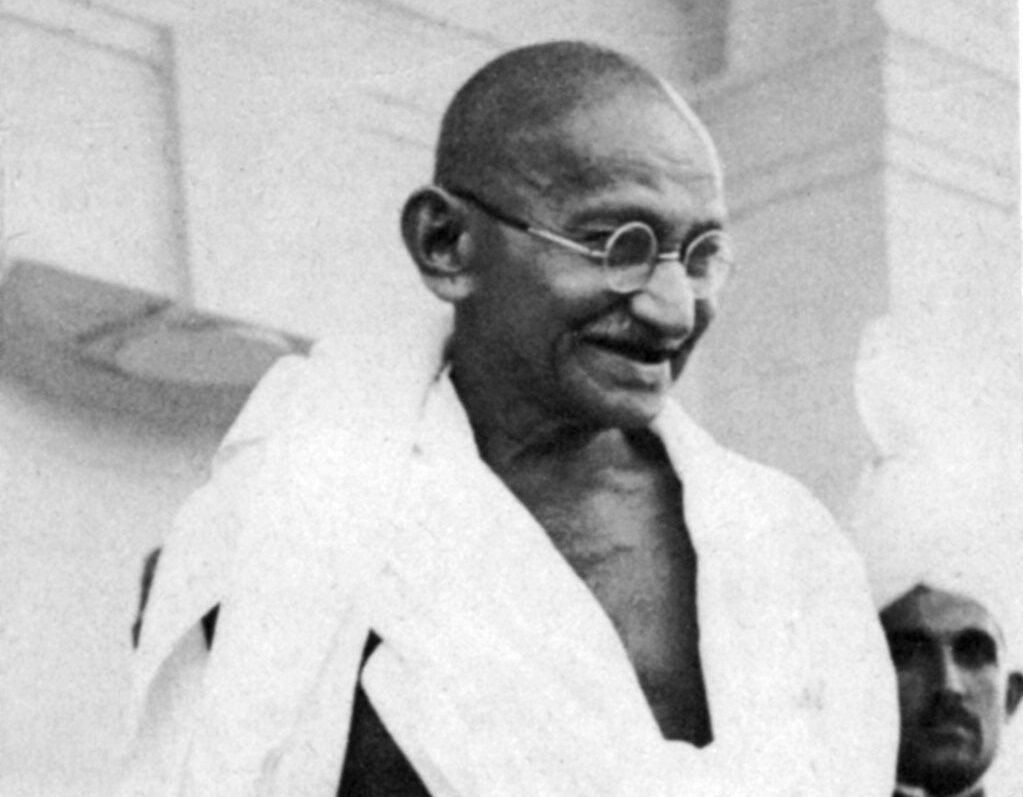
It is important to point out how the Mahatma underlined the essence of cleanliness and purity for individual dignity and societal well-being. Here, let us recollect the famous words of Bapu who underscored, “Cleanliness is next to godliness”. This is an important lesson that everyone needs to learn: cleanliness is not just about physical hygiene but also about moral and spiritual purity. He was clear that only when there is both inner and outer cleanliness, could it become next to godliness. In fact, on several occasions, the Mahatma pointed out that inward cleanliness was the first thing that needed to be taught. Other things could be taught after this, he felt. In one of his speeches, he pointed out, “Our personal cleanliness counts for little if our neighbours are not clean….Is only that unclean which appears to the eye as unclean? If there is even a little dirt on what is white, we feel annoyed; but the black may have any amount of dirt on it and we care not at all!” This is a profound observation as we all tend to quickly recognize the visible ‘dirt’ on white surfaces, but more than often we miss out on ignoring blackness, whether in our personal lives or in society.
Another important dimension of when the Mahatma was talking on cleanliness, next to godliness, can be understood from these views of his. He said, “When we approach these temples, we must cleanse our bodies, our minds and our hearts and we should enter them in a prayerful mood and ask God to make us purer men and purer women for having entered their portals. And if you will take this advice of an old man, these physical deliverance that you have secures will be a deliverance of the soul.” (Harijan, January 23, 1937). This helps us in understanding Bapu’s holistic views on inner cleanliness and how it is critical for our true spiritual engagement. As we see, he was clear that just physical cleanliness was not enough. In fact, it is more important to purify the mind and heart, and it can be done by removing the inner impurities like negative emotions, selfish desires, and impure thoughts before entering a sacred space. The transformative power of the Gandhian approach to self-purification ensures that rituals and prayers become constructive, meaningful, and effective, leading to both personal and collective renewal and well-being. These principles actually connect to the Mahatma’s expansive philosophy that inner cleanliness is a significant pillar to truth, nonviolence, compassion, love, and social harmony.
Finally, to conclude, it would be apt to share this quote of Mahatma Gandhi, who said: Never own defeat in a sacred cause and make up your minds henceforth that you will be pure and that you will find a response from God. But God never answers the prayers of the arrogant, nor the prayers of those who bargain with Him. … If you would ask Him to help you, you would go to Him in all your nakedness, approach Him without reservation, also without fear or doubts as to how He can help a fallen being like you. He who helped millions who have approached Him, is He going to desert you? He makes no exceptions whatsoever and you will find that every one of your prayers will be answered. The prayer of even the most impure will be answered. I am telling you this out of my personal experience, I have gone through the purgatory. Seek first the Kingdom of Heaven and everything will be added unto you.” (Young India, 4-4-’29)
These perspectives encapsulate the Gandhian principle of self-purification as a humble, sincere, and persistent effort to cleanse one’s inner being of doubts, inner impurities, selfishness, and arrogance. This should be the overarching goal so that we can not only work on inner transformation but also contribute towards genuine constructive work in society.