INDIA Alliance Still Lacking Broader Caste Representation: Advocate Irshad Ahmad
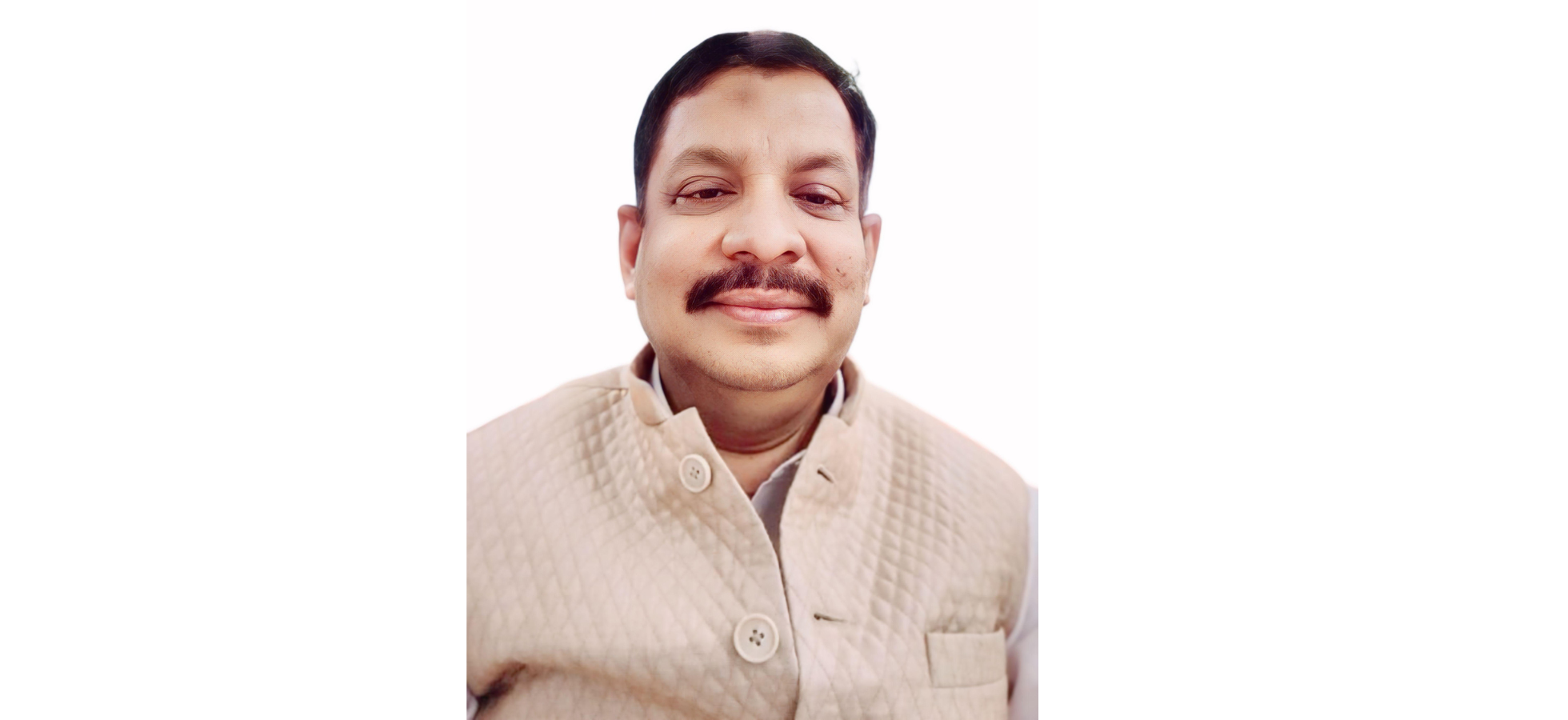
,Advocate Irshad Ahmad in a press briefing today, shared his analysis of the evolving caste-based political dynamics in Bihar ahead of the 2025 Assembly elections.
“Actually, Caste continues to be the dominant factor in Bihar elections, shaping voting patterns and alliance formations. However, issues like development, governance, and leadership image are gradually emerging as secondary yet influential factors in certain segments of the electorates.”
INDIA Alliance: Fixed Caste Reach
The INDIA Alliance, spearheaded by the Rashtriya Janata Dal (RJD), appears to lack the same level of caste diversity. Advocate Ahmad explained:
The RJD, led by Lalu Prasad Yadav, retains a solid grip over the Yadav community (13%) and continues to enjoy substantial support from the Muslim population (17%), forming the traditional MY (Muslim-Yadav) coalition.
Other INDIA constituents such as the Congress Party do not have a stable caste base and depend largely on the individual candidates’ caste backgrounds to secure votes.
Vikassheel Insaan Party (VIP), led by Mukesh Sahani, attracts around 4% of votes from the Nishad and related communities.
A portion of the Scheduled Castes (SCs), around 4-5%, still identify with Lalu Yadav’s past social justice image and remain loyal to the alliance.
Advocate Irshad Ahmad said that “Despite its strong traditional MY base, the INDIA alliance has yet to build a truly inclusive caste equation that mirrors the NDA’s broad-based structure,” “This imbalance could severely limit their reach in a state where electoral politics is deeply entrenched in caste identities.”
In contrast, NDA’s Strong Caste Consolidation
Advocate Irshad Ahmad pointed out that the National Democratic Alliance (NDA) currently holds a substantial advantage in terms of caste-based vote consolidation. The NDA comprises four key parties:
Bharatiya Janata Party (BJP), which commands strong support among upper castes — Brahmins, Bhumihars, Rajputs, and Kayasthas — accounting for approximately 15% of the vote share.
Janata Dal (United) [JD(U)], led by Chief Minister Nitish Kumar, holds sway over Kurmi, Kushwaha, and large sections of Extremely Backward Classes (EBCs), minus the Nishad community, contributing an estimated 35% to the alliance’s vote bank.
Lok Janshakti Party (Ram Vilas), under Chirag Paswan, has significant influence among the Dalit Dusadh community, which constitutes about 6% of the state’s population.
Hindustani Awam Morcha (HAM), led by Jitan Ram Manjhi, represents the Mushar caste, adding another 3% to the alliance’s base.
Failures of Good Governance Overshadowing Achievements
Advocate Irshad Ahmad said that While the NDA currently enjoys a caste advantage, was also critical of its governance record, particularly under Chief Minister Nitish Kumar’s 20-year tenure. He remarked:
Unemployment continues to be one of the biggest challenges in Bihar. Despite tall promises, the state has failed to generate adequate jobs for its growing youth population.
The education system remains weak, leading to an ongoing migration of students to other states in search of quality institutions.
Healthcare facilities are still underdeveloped and insufficient to meet the demands of Bihar’s large and growing population.
The migration of unskilled laborers also reflects the lack of opportunities within the state.
Advocate Irshad Ahmad concluded that “Despite some infrastructure improvements, particularly in roads, connectivity and electricity, the Nitish Kumar-led government has not addressed the core concerns of the people — employment, education, and health. These issues, combined with caste dynamics, will play a decisive role in the upcoming elections,”